
Shopping for a matcha whisk usually starts with a quick search and ends with a dozen open tabs, each one showing a different prong count and price tag. You want to know which whisk actually creates smooth, frothy matcha, not just which one looks nice in photos. That confusion is exactly what this guide clears up.
A matcha whisk, known in Japan as a chasen, is the small bamboo tool that turns matcha powder and water into a silky, foamy drink. If you’ve read our Matcha 101 guide already, you know grade and quality matter for the tea itself, and research shows factors like geographic origin can shape matcha’s flavor compounds just as much as processing does. Here at Coffeetori, we’re picking up where that guide left off to focus purely on the whisk, covering prong count, bamboo versus other materials, care routines, and a shopping checklist you can use today, whether you’re shopping online or in a Japanese specialty store.
By the end of this guide, you’ll know exactly which chasen fits your matcha habit, how to keep it in good shape, and where to head next once you’ve made your pick.
Key Takeaways
Prong count matters more than price when it comes to whisking quality, since more bristles break up matcha powder more thoroughly and build finer foam.
A bamboo matcha whisk still beats wire, electric, and silicone versions for texture, even though those alternatives offer more convenience for busy mornings.
Whisk care, meaning a quick rinse, upright drying, and dry storage, determines whether your chasen lasts months or years.
Match your whisk to how often you actually drink matcha rather than buying ceremonial-grade gear you’ll rarely use.
Table of Contents
- How Many Prongs Does A Matcha Whisk Really Need?
- Bamboo Whisk Vs. Wire, Electric, And Silicone: Which Actually Works?
- How Do You Care For And Season A Bamboo Matcha Whisk?
- What Should You Look For When Buying A Matcha Whisk?
- The Takeaway
- Frequently Asked Questions
- 6.1 Can I Use A Regular Kitchen Whisk Instead Of A Chasen?
- 6.2 Is A Higher Prong Count Always Better?
- 6.3 How Long Does A Bamboo Matcha Whisk Actually Last?
- 6.4 Do I Need A Whisk Holder (Kusenaoshi)?
- 6.5 Can I Put A Bamboo Matcha Whisk In The Dishwasher?
- 6.6 What’s The Difference Between A Whisk For Usucha And Koicha?
How Many Prongs Does A Matcha Whisk Really Need?
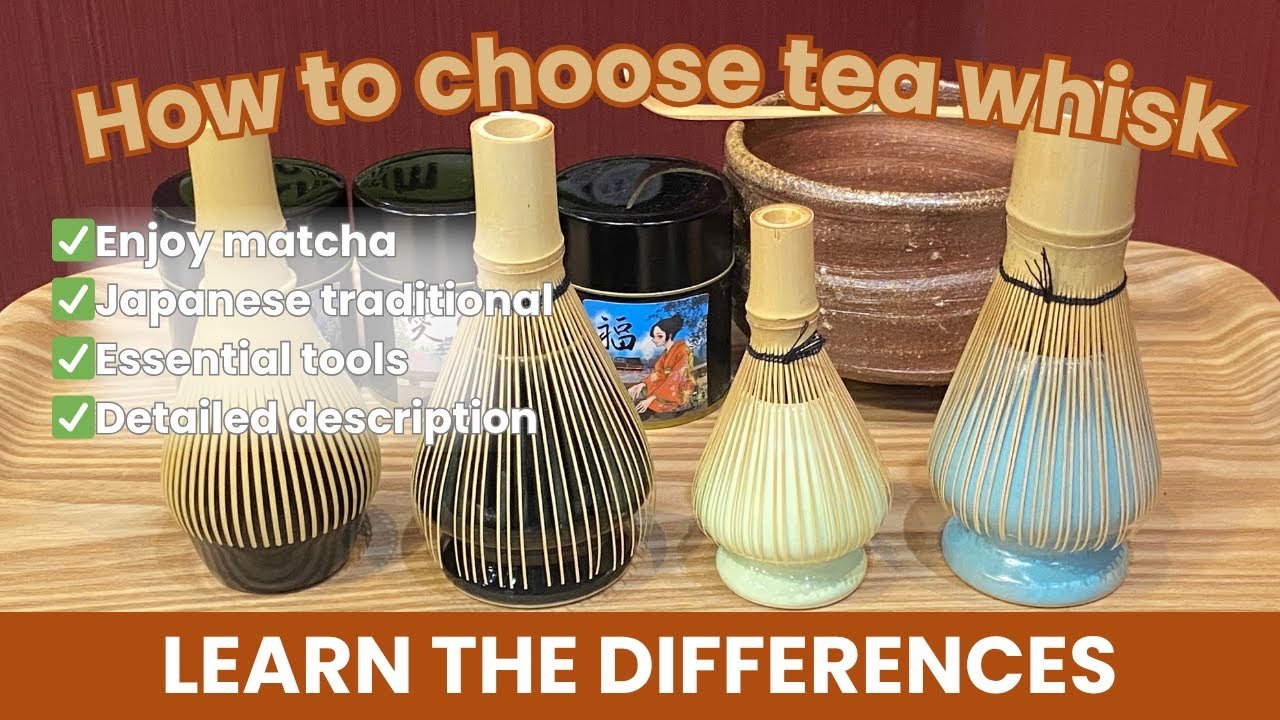
A matcha whisk’s prong count, also called tine count, is simply how many thin bamboo bristles branch out from the handle, and it directly changes how the whisk feels and performs. Whisks with fewer prongs, usually around 60, move plenty of liquid but break up powder less finely. More prongs mean more surface area to catch clumps and fold in air, which builds a smoother, longer-lasting foam. Think of it like the difference between a garden rake with wide teeth and one with narrow teeth working through the same patch of soil.
Bristle-Count Comparison Table (60 / 80 / 100-Prong)

Here’s a fast way to match a whisk for matcha to your daily habits, broken down by the three prong counts you’ll see most often when shopping. More prongs simply means more surface area to catch clumps and fold in air, not just a prestige number on a product label.
| Prong Count | Best For | Foam Quality | Price Feel | Who Should Buy It |
|---|---|---|---|---|
| 60 | Casual matcha lattes | Coarser, looser foam | Budget-friendly | Beginners easing in from Matcha 101 |
| 80 | Regular home brewing | Smooth, consistent foam | Mid-range investment | Daily drinkers who want reliable results |
| 100+ | Ceremonial-style matcha | Finest, silkiest foam | Premium | Tea ceremony fans and daily practitioners |
Bamboo Whisk Vs. Wire, Electric, And Silicone: Which Actually Works?
A bamboo matcha whisk remains the benchmark for foam texture because its thin, flexible tines slice through powder from dozens of angles at once, something rigid wire loops can’t match. Bamboo harvested in Japan’s Takayama region also carries the ritual weight of the traditional tea ceremony, and studies comparing culinary and ceremonial matcha have found real differences in phytochemical composition and antioxidant properties between grades used in these settings. That said, an electric or wire whisk can genuinely make sense for someone easing into matcha, especially when mornings are rushed or hand strength is limited. Fusion drinks like a matcha latte like a matcha latte are forgiving of whisk type, since milk and ice mask small texture differences that stand out far more in traditional koicha.
Quick Comparison: Bamboo, Wire, Electric, And Silicone Whisks

Weighing convenience against authenticity gets easier once you see the four whisk types laid out side by side.
| Whisk Type | Foam Quality | Care Needed | Best For |
|---|---|---|---|
| Bamboo (chasen) | Best, silkiest foam | Rinse and dry after each use | Traditional matcha, purists |
| Wire | Decent for lattes | Usually dishwasher-safe | Easy cleanup, casual lattes |
| Electric | Fast, consistent | Battery care, wipe clean | Rushed mornings, mobility needs |
| Silicone / synthetic | Weakest performance | Very low maintenance | Durability over texture |
How Do You Care For And Season A Bamboo Matcha Whisk?

Caring for a matcha bamboo whisk comes down to three habits: rinse it right after use, dry it upright, and store it away from heat and damp air. Skipping any one of these steps invites mold or brittle, snapping bristles within months instead of years. Before a brand-new whisk touches matcha powder, it also needs a quick soak to soften the bamboo and prevent cracking, a first-use step also outlined in detailed chasen care guides covering soaking and drying routines. Once bristles start fraying, breaking, or feeling stiff no matter how much you soak them, that’s your sign to retire it and pick up a replacement.
Tip: A quick warm-water soak before first use softens the bamboo and helps prevent early cracking, a small step that pays off over the whisk’s whole lifespan.
First-Use Seasoning And Daily Care Routine

Follow this short routine every time you use your chasen, starting from the very first day it comes out of the box.
Soak a brand-new whisk in warm water for a few minutes before its first use, since this softens the bristles and helps prevent cracking during that initial whisking session.
Rinse gently with warm, not hot, water right after every use so matcha powder doesn’t dry and harden between the bristles.
Shake off excess water, then stand the whisk upright with bristles facing up in a whisk holder or a small cup to air dry fully.
Store it in a cool, dry spot away from direct sunlight, and skip sealed containers unless you’re in a humid climate using a desiccant packet.
Plan on replacing the whisk once bristles fray, snap, or turn stiff, which usually happens after about two to three years of regular use.
What Should You Look For When Buying A Matcha Whisk?

Buying a matcha whisk gets simple once you know which details actually affect performance versus which ones are just marketing flourishes. Look past the packaging and check the bristles, the handle, and the seller’s transparency about sourcing before you swipe your card. Matching your budget to how often you’ll actually use the whisk matters more than chasing the highest prong count available, and product guides for ceremonial-style whisks confirm that higher prong counts are built specifically for smoother, frothier results rather than everyday convenience. A whisk you use daily earns its price tag fast, while a ceremonial-grade piece gathering dust in a drawer never does.
Buying Checklist: 5 Things To Check Before You Buy
Run through this checklist whether you’re shopping in a store or scrolling a product page online.
Prong count matches your matcha style, since usucha and lattes work fine with 60 to 80 prongs while koicha benefits from 100 or more.
Bristles look evenly carved with no fraying, splitting, or looseness where they meet the base of the handle.
The handle feels smooth and well-balanced in your hand, without rough edges or an awkward, front-heavy weight.
The seller shares basic sourcing details, like the bamboo type or region, rather than staying vague about origin.
Your budget matches how often you’ll use it, so skip ceremonial-grade pricing for a whisk that’s only making occasional lattes.
Price Tier Comparison: Budget, Mid-Range, And Premium Whisks
Here’s how the three common price tiers stack up once you look past the sticker price, with room left to plug in live pricing as options change. Once you know which tier fits your budget, revisit our Matcha 101 guide for grade basics, then check our guide on guide on How to Make Matcha to master the whisking motion itself.
| Tier | Prong Count | Best For | Price | Link |
|---|---|---|---|---|
| Budget | Around 60 | Casual, occasional matcha drinkers | Insert current price | Insert link |
| Mid-Range | Around 80 | Regular home brewers wanting handcrafted quality | Insert current price | Insert link |
| Premium | 100+ | Ceremonial-grade enthusiasts and collectors | Insert current price | Insert link |
The Takeaway
The best matcha whisk isn’t the most expensive one sitting behind glass at a specialty shop, it’s the one that matches how often you actually make matcha. If you’re testing the waters with a latte here and there, a 60 or 80-prong whisk covers you well. Daily drinkers and traditional tea ceremony fans get more value from investing in a 100-plus prong whisk built to last for years.
Pick a tier from the checklist above, treat it right with the rinse-dry-store routine, and you’re set for smooth, foamy matcha for years to come. We like matcha whisked into everything from a simple morning cup to a Fukuoka whiskey matcha latte, so once your chasen is ready, head over to our guide on How to Make Matcha to put it to work.
Frequently Asked Questions
Can I Use A Regular Kitchen Whisk Instead Of A Chasen?
A wire kitchen whisk can work in a pinch for matcha lattes, but it won’t build the same fine, stable foam a bamboo chasen creates. It can also scratch ceramic bowls, unlike bamboo, so treat it as a backup rather than a long-term swap.
Is A Higher Prong Count Always Better?
Not necessarily. A higher prong count improves foam fineness, which matters most for ceremonial-style matcha, but everyday lattes whisk up fine with 60 to 80 prongs. Match the count to your matcha style instead of assuming more is always better.
How Long Does A Bamboo Matcha Whisk Actually Last?
A well-cared-for bamboo matcha whisk typically lasts two to three years with regular use. Once the bristles start fraying, snapping, or feeling stiff no matter how much you soak them, that’s your cue to replace it.
Do I Need A Whisk Holder (Kusenaoshi)?
A whisk holder isn’t mandatory, but it helps bristles dry in their natural curved shape and prevents bending during storage. If you don’t have one, prop the whisk at an angle in a cup so air reaches every bristle while it dries.
Can I Put A Bamboo Matcha Whisk In The Dishwasher?
No, dishwashers are too harsh for a bamboo matcha whisk. The heat and prolonged water exposure warp the bamboo and weaken the bristles over time. Stick to a quick hand rinse followed by upright air drying, as covered earlier in this guide.
What’s The Difference Between A Whisk For Usucha And Koicha?
Koicha, or thick tea, traditionally calls for a higher prong count, often 100 or more, for thorough blending into a dense, paste-like texture. Usucha, the thinner tea more common in everyday lattes, whisks up fine with a 60 to 80-prong whisk.
