
You’re standing in the kitchen, kettle in one hand, a tin of matcha in the other, and you can’t decide which one gets to run your morning. That’s the real question behind matcha vs coffee debates, and it usually comes down to one thing: how your body handles caffeine. Some people want a fast jolt. Others want steady focus without the shakes.
Matcha vs coffee isn’t really a battle with one champion. Matcha is a powdered green tea whisked whole into water, while coffee is brewed from roasted beans, and each delivers caffeine on a completely different timeline. This guide breaks down the caffeine content in matcha tea vs coffee, compares taste and ritual, and matches each drink to the moments where it actually shines. By the end, you’ll know exactly which cup makes sense for your Tuesday morning deadline or your lazy Sunday afternoon.
Grab your favorite mug (or bowl, if matcha’s your pick) and let’s sort this out together.
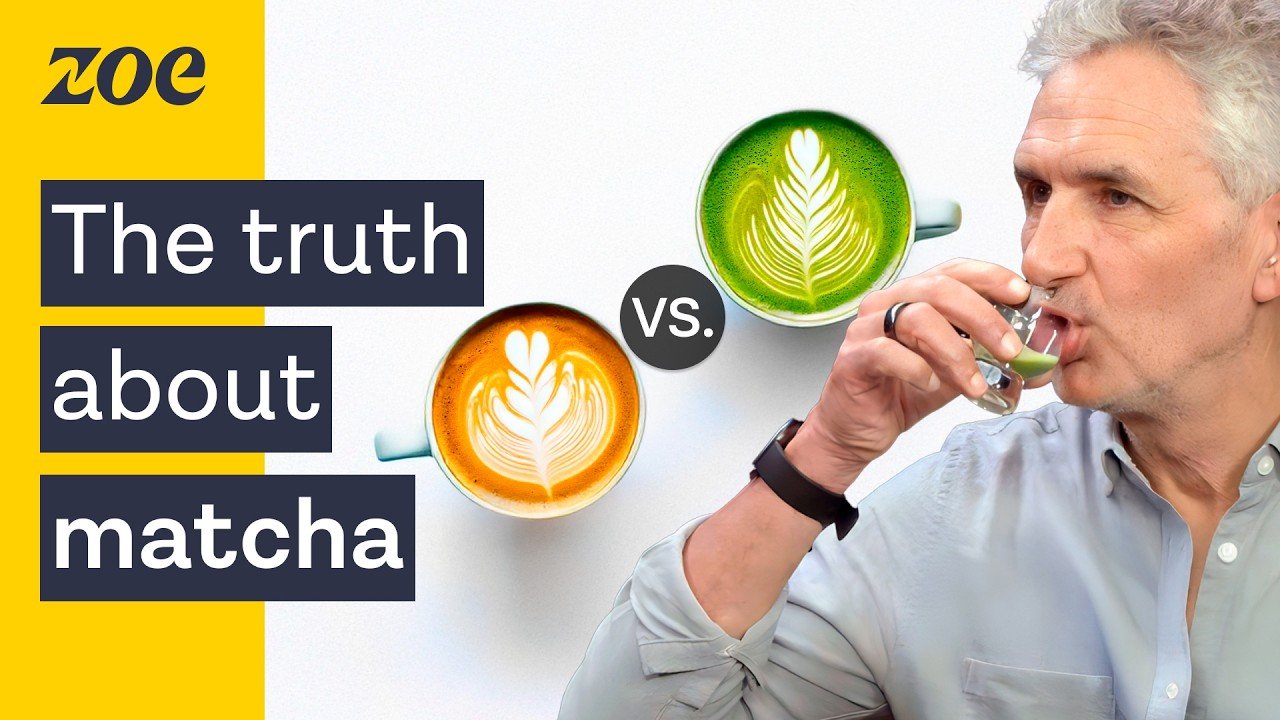
Key Takeaways
Here’s the short version for anyone skimming before their first sip of the day. Coffee delivers a bigger, faster caffeine hit, while matcha spreads a smaller dose over a longer stretch of time.
Coffee typically packs 95 to 200 mg of caffeine per 8-ounce cup, while matcha usually lands between 25 and 70 mg per serving, so the gap is real but not massive.
L-theanine, an amino acid found in tea leaves, is why matcha feels calmer rather than simply weaker.
Coffee wins when you need an instant jolt, and matcha wins when you want jitter-free focus that lasts for hours.
Taste and ritual couldn’t be more different: bold and roasted versus earthy and umami-rich.
Most enthusiasts land on “both,” just reaching for each drink at a different point in the day.
Table of Contents
- Matcha Caffeine Vs Coffee: How Much Caffeine Is Really In Each?
- Taste And Ritual: Two Very Different Sipping Experiences
- When Should You Reach For Matcha Vs Coffee?
- Can You Switch Between Matcha And Coffee Without A Crash?
- The Takeaway
- Frequently Asked Questions
- 6.1 Does Matcha Have Less Caffeine Than Coffee?
- 6.2 Why Does Matcha Feel Calmer Than Coffee Even Though Both Have Caffeine?
- 6.3 Is Matcha Better For Anxiety Than Coffee?
- 6.4 Can I Drink Matcha At Night Without Affecting Sleep?
- 6.5 Which Has More Antioxidants, Matcha Or Coffee?
- 6.6 Should Coffee Lovers Even Bother Trying Matcha?
Matcha Caffeine Vs Coffee: How Much Caffeine Is Really In Each?

Matcha caffeine vs coffee comes down to concentration and speed, with coffee packing a stronger, faster punch and matcha offering a gentler, longer curve. An 8-ounce cup of drip coffee generally holds 95 to 200 mg of caffeine, and a single shot of espresso can carry 63 to 75 mg on its own. Matcha, by comparison, usually falls between 25 and 70 mg per serving, depending on the grade of powder and how much you use. That gap explains why a cup of coffee can feel like flipping a switch, while matcha feels more like a dimmer slowly turning up.
| Beverage | Typical Caffeine per Serving | Energy Onset |
|---|---|---|
| Drip coffee (8 oz) | 95-200 mg | Fast, within minutes |
| Espresso (1 oz) | 63-75 mg | Very fast, sharp spike |
| Matcha (1 serving) | 25-70 mg | Gradual, over 20-30 minutes |
As one science-backed comparison of matcha and coffee points out, the reason matcha vs coffee feels so different isn’t only about milligrams. Coffee’s caffeine floods the bloodstream quickly, which is great for an instant wake-up call but can lead to a crash an hour or two later. Matcha’s caffeine gets absorbed more slowly because it’s bound up with other plant compounds, giving you a calmer ride from start to finish.
Caffeine In Matcha Tea Vs Coffee: What Is L-Theanine Doing?

Caffeine in matcha tea vs coffee behaves differently mainly because of one compound coffee simply doesn’t have: an amino acid called L-theanine. L-theanine occurs naturally in tea leaves, and it doesn’t exist in coffee beans at all, which is a big part of why the two drinks feel so different even when caffeine amounts overlap. Once you drink matcha, L-theanine and caffeine travel through your system together, and a study using the molar ratio of caffeine and EGCG to theanine and arginine found this pairing has measurable stress-relieving effects tied to the same relaxed-but-alert pattern linked to light meditation. That’s the science behind matcha’s “calm energy” reputation, rather than it just being a weaker cup.
The practical result is a steadier ride. Coffee’s caffeine tends to peak and fade within an hour or two, while matcha’s combination of caffeine and L-theanine can keep you feeling clear-headed for four to six hours. If you’ve ever wondered why matcha doesn’t leave you bouncing off the walls, this pairing is your answer.
Taste And Ritual: Two Very Different Sipping Experiences

Taste and ritual separate matcha vs coffee just as sharply as caffeine content does, with coffee leaning bold and roasted while matcha stays earthy and slightly sweet. Coffee’s flavor map stretches from bright and fruity Ethiopian beans to deep, chocolatey Sumatran roasts, and that range is a huge part of why coffee hobbyists chase single-origin bags and dial in pour-over ratios. Matcha, especially ceremonial-grade powder from regions like Uji in Kyoto, offers a grassy, umami-forward taste with buttery or floral notes that show up only when it’s whisked properly.
The rituals differ just as much as the flavors. Coffee brewing invites gadgets and precision, from siphon brewers to digital scales measuring water-to-coffee ratios down to the gram. Matcha asks for a bamboo whisk, a small bowl, and a slower hand, since the powder needs sifting and vigorous whisking to turn frothy instead of clumpy. Both rituals reward patience, they just reward it in very different ways.
When Should You Reach For Matcha Vs Coffee?

Deciding when to reach for matcha vs coffee really depends on what your next few hours look like, not on which drink is objectively “better.” Coffee makes the most sense when you need to wake up fast, like right before a morning meeting or during a quick social stop at a café with friends. Matcha fits better when you’re settling into something that needs sustained attention, like a long writing session or a study block, and a randomized controlled trial on caffeine and theanine supplementation in athletes found combined intake improved both physical and cognitive performance without the jitteriness coffee alone would cause. Caffeine-sensitive readers in particular tend to notice matcha’s gentler curve almost immediately, and an honest science-backed matcha vs coffee comparison confirms there’s less risk of a racing heart or a 3 p.m. crash.
Quick morning activation favors coffee, since its fast caffeine absorption gets you from groggy to alert in a matter of minutes, which matters when you’re rushing out the door.
Deep work or studying favors matcha, because the L-theanine and caffeine combo supports several hours of steady focus instead of a short spike that fades before lunch.
Afternoon energy without sleep disruption also favors matcha, since its lower caffeine dose is less likely to keep you staring at the ceiling at midnight.
Social café visits naturally lean coffee, thanks to decades of coffee shop culture built around lattes, espresso art, and catching up with friends over a cup.
Caffeine sensitivity or mild anxiety points toward matcha, since its smoother release tends to skip the jitters some coffee drinkers experience.
Try The Fusion Route: Matcha Latte And Beyond

You don’t actually have to pick a side in the matcha vs coffee conversation, and that’s where fusion drinks come in handy. A basic basic matcha latte needs only matcha powder, milk of your choice, and a whisk (or a milk frother if you’re feeling lazy), which makes it one of the easiest ways to test matcha without buying special equipment. Coffeetori’s take on the Sakura Matcha Latte, which blends cherry blossom syrup into whisked matcha, shows how playful this category can get when you borrow techniques from coffee shop culture.
If you’d rather sample matcha before committing to a whisk and bowl, canned options like the UCC Matcha Latte offer a genuine grab-and-go taste of that slow-release energy. It’s a low-commitment way to see whether matcha’s calmer buzz fits your afternoon routine before you invest in ceremonial-grade powder at home.
Can You Switch Between Matcha And Coffee Without A Crash?
Switching between matcha and coffee without a crash is entirely possible, and most people do it best with a gradual approach rather than quitting coffee cold turkey. Try matcha in the morning and save coffee for midday, letting your body adjust to the different caffeine-to-L-theanine ratio, a balance that a detailed caffeine and energy comparison shows can ease the transition instead of shocking your system with a sudden drop in overall caffeine. This staggered approach also sidesteps the headaches and fatigue that sometimes show up when heavy coffee drinkers stop too abruptly.
There’s no rule saying you have to pick permanently, either. Plenty of matcha vs coffee enthusiasts keep both in rotation, using coffee for the days that demand a fast jolt and matcha for the days built around long stretches of focus. Alternating between the two is normal, not a sign you couldn’t commit to one camp.
The Takeaway
There’s no universal winner in the matcha vs coffee debate, only a better fit for whatever your day actually demands. Coffee earns its spot when you need speed and intensity, while matcha earns its spot when you want calm, sustained focus that won’t leave you crashing by 2 p.m. Your caffeine tolerance, your schedule, and honestly your mood that day all play a bigger role than any list of milligrams ever could.
If you’re new to whisking, the site’s Matcha 101 guide walks through grades, tools, and technique from scratch. Coffee purists who want to sharpen their brewing skills can check out the site’s own coffee brewing recipes for pour-over and siphon methods worth trying this week.
Frequently Asked Questions
Does Matcha Have Less Caffeine Than Coffee?
Generally, yes. Matcha averages 25 to 70 mg of caffeine per serving, while coffee typically runs 95 to 200 mg per 8-ounce cup. Exact numbers shift depending on the brand, the matcha grade, and how strong you brew your coffee, so treat these as ranges rather than fixed rules.
Why Does Matcha Feel Calmer Than Coffee Even Though Both Have Caffeine?
The difference comes down to L-theanine, an amino acid found only in tea leaves. It pairs with caffeine to promote a relaxed, alert brain state that many drinkers describe as “alert relaxation,” which explains matcha’s steadier, less jittery feel compared to straight coffee.
Is Matcha Better For Anxiety Than Coffee?
Matcha’s smoother caffeine curve may suit anxiety-prone or caffeine-sensitive people better than coffee’s sharper spike, since L-theanine appears to soften some of caffeine’s stimulating effects. This isn’t medical advice, though, so check with a doctor if anxiety is a serious concern for you.
Can I Drink Matcha At Night Without Affecting Sleep?
It’s not a great idea close to bedtime, since matcha still contains real caffeine, just less of it than coffee. Early afternoon is a safer cutoff for most people who want their sleep undisturbed.
Which Has More Antioxidants, Matcha Or Coffee?
Matcha’s whole-leaf consumption delivers catechins like EGCG in concentrated amounts, while coffee offers its own antioxidants through chlorogenic acid and various polyphenols. Both drinks bring real benefits, they just come from different plant compounds entirely.
Should Coffee Lovers Even Bother Trying Matcha?
Absolutely, especially through approachable fusion drinks like a matcha latte or a Sakura Matcha Latte that ease you in with familiar flavors like milk and sweetness. The whole philosophy here is “why not both,” so there’s no reason to give up your espresso to give matcha a fair shot.


