
A good matcha latte recipe should taste like your favorite coffee shop order, not a science experiment gone green. Yet most home attempts turn out clumpy, bitter, or weirdly flat, usually because the powder never got whisked properly or the water was too hot. That’s frustrating when you just want a pretty, creamy drink without a $6 cafe receipt.
Here at Coffeetori, we think the fix is simpler than people assume. A matcha latte is really just finely ground green tea powder whisked into a smooth base, then combined with warm or cold milk and a touch of sweetener. This guide walks through the exact hot and iced methods, the ingredients worth buying, and quick fixes for the clumps and bitterness that trip up first-timers. Grab your whisk (or a fork, honestly) and let’s get your cup sorted in about 5 minutes.
Key Takeaways
A café-style matcha latte recipe needs only four ingredients and about 5 minutes of hands-on time.
Whisking, not stirring, is what turns gritty powder into a smooth, foamy matcha green tea powder latte.
Culinary-grade matcha works beautifully for everyday lattes and costs less than ceremonial grade.
The same base method flexes into an iced matcha latte recipe with just a couple of swaps.
Most clumping or bitterness problems trace back to water temperature or under-whisking, and both are easy to correct.
Table of Contents
- What You Need for a Café-Style Matcha Latte
- How to Make a Hot Matcha Latte in 5 Minutes
- How to Make an Iced Matcha Latte
- Why Is My Matcha Latte Clumpy or Bitter?
- Fun Ways to Switch Up Your Matcha Latte
- Final Thoughts
- Frequently Asked Questions
What You Need for a Café-Style Matcha Latte
A café-style matcha latte comes together from four basic building blocks, matcha powder, milk, a little hot water, and sweetener, plus barely any equipment. You don’t need a fancy espresso machine or a shelf of syrups to pull this off at home. A small bowl, a whisk or milk frother, and a mug are honestly enough to get a foamy, restaurant-worthy result. That’s the whole point of our approach, café flavor without the café-sized shopping list.
Choosing Your Matcha Powder
Culinary-grade matcha is the practical choice for everyday lattes, and research comparing culinary and ceremonial teas found meaningful differences in phytochemical composition and antioxidant properties between the two grades, which helps explain why culinary blends well once milk and sweetener join the mix. Ceremonial-grade matcha is the fancier, pricier option favored by purists who drink it plain, but its subtle notes tend to get lost under milk anyway. For this recipe, stick with culinary grade, it’s made for exactly this kind of milky, sweetened drink. If you want the full rundown on how the grades differ, check our Matcha 101 guide on ceremonial versus culinary matcha before you shop.
Picking the Best Milk

Dairy milk gives the richest, creamiest texture thanks to its natural fat, while oat milk is the closest plant-based match for that same silky mouthfeel. Almond, soy, and coconut milk each bring their own personality, from nutty to tropical, so the “best” one really depends on your taste buds.
| Milk Type | Texture | Flavor Note |
|---|---|---|
| Whole Milk | Rich, creamy | Neutral, sweet |
| Oat Milk | Creamy, frothy | Mild, slightly sweet |
| Almond Milk | Thin | Light, nutty |
| Soy Milk | Creamy | Mild, earthy |
| Coconut Milk | Silky | Tropical, sweet |
How to Make a Hot Matcha Latte in 5 Minutes
A hot matcha latte comes together in five short steps, sift the matcha, whisk it with hot water, warm your milk, then combine everything in a cup. The whole process takes about 5 minutes once your kettle’s boiled, and the whisking step is really the only technique you need to nail. Skip the guesswork of café menus and make this cafe-quality matcha latte recipe right on your own counter.
Ingredients (Serves 1)
1 to 1.5 teaspoons matcha powder
2 to 3 tablespoons hot water (160 to 170°F)
8 to 10 ounces milk of choice
Sweetener to taste (honey, sugar, or agave)
Step-by-Step Instructions


Sift the matcha powder into a small bowl first, since this breaks up clumps before any liquid touches it.
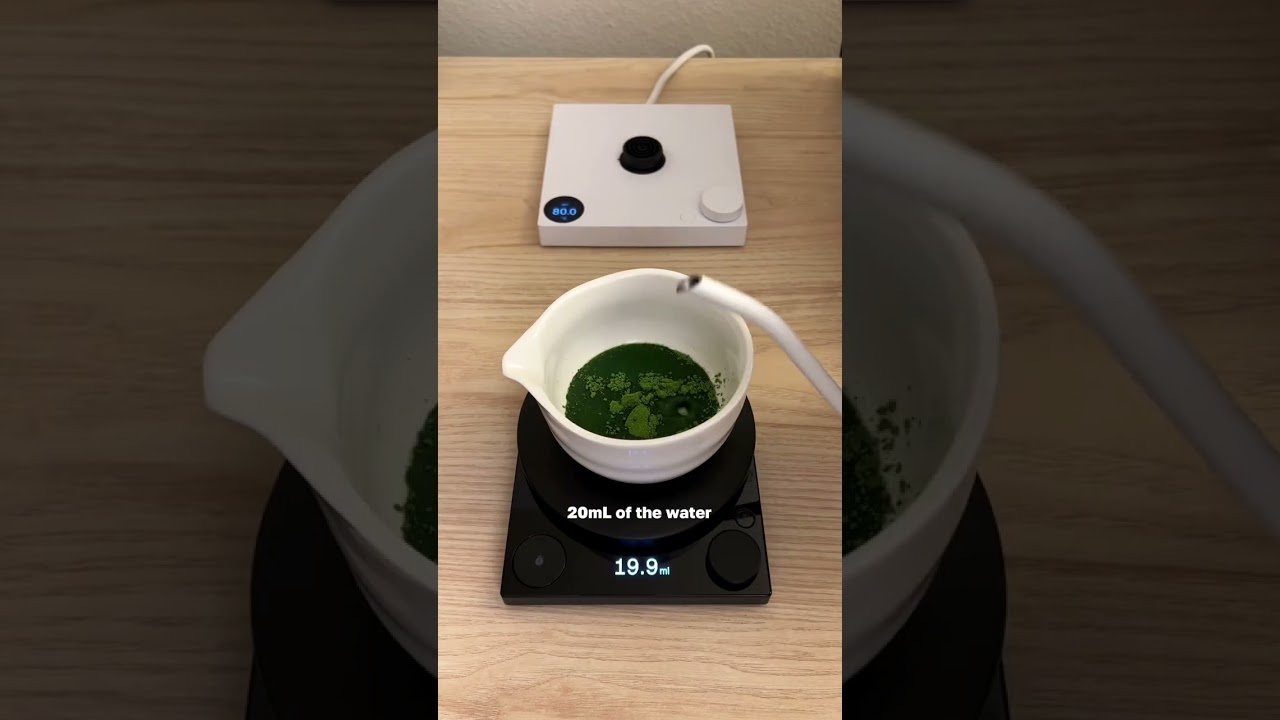
Pour in the hot water (not boiling, which turns matcha bitter and dull) and whisk briskly in a “W” or circular motion for 30 to 60 seconds, until it’s smooth and a little foamy, a technique similar to the one outlined in this detailed matcha latte recipe guide covering the exact ratio and anti-clump method.
While that happens, warm your milk on the stove or with a frother until it’s steamy but not scalding.
Pour the warm milk into your matcha base, stir gently, and drink it right away while the foam’s still sitting pretty on top.
How to Make an Iced Matcha Latte

An iced matcha latte recipe follows the same base method as the hot version, with two swaps, room-temperature water for whisking and cold milk poured over ice instead of steamed milk. Skipping straight to cold water for whisking tends to leave gritty bits behind, so that warm-ish mixing step still matters even when the final drink is cold. Once you’ve got the base dialed in, this version turns into a five-minute iced coffee recipe that looks just as good as anything from a coffee shop counter.
Ingredients and Steps for Iced Version
Whisk your matcha with room-temperature water instead of hot water, since this keeps the base smooth without melting your ice the second it hits the glass.
Stir in your sweetener while you whisk so it dissolves fully into the matcha rather than sitting at the bottom of the glass later.
Fill a tall glass with ice, pour in your cold milk, then slowly pour the matcha mixture over the top for that layered look demonstrated in this blended matcha latte recipe made without a whisk or frother.
Give it one good stir before your first sip so the flavor’s even from top to bottom.
Why Is My Matcha Latte Clumpy or Bitter?
Clumpy or bitter matcha almost always comes down to one of three things, water that’s too hot, powder that wasn’t sifted, or matcha that’s gone stale. The good news is that each of these problems has a fast, one-step fix once you know what’s causing it. Water hotter than about 175°F scorches matcha’s delicate compounds, which is why your drink tastes sharp instead of smooth. Powder that skips the sifter clumps up no matter how hard you whisk afterward, and matcha that’s been sitting open for months loses both its color and its flavor.
Tip: If your matcha tastes flat even after fixing the water temperature, check the bag’s roast date. Matcha loses its bright flavor fast once opened, so buying smaller tins more often beats stockpiling a big one.
Common Fixes at a Glance
| Problem | Likely Cause | Fix |
|---|---|---|
| Gritty texture | Skipped sifting or under-whisking | Sift first, whisk a full 60 seconds |
| Bitter taste | Water too hot or too much powder | Cool water to 160 to 170°F, use less matcha |
| Dull, grayish color | Water too hot or matcha is old | Lower water temp, buy fresher matcha |
| Milk looks separated | Hot matcha hit cold milk directly | Warm milk gently or use room-temp water first |
Fun Ways to Switch Up Your Matcha Latte
Once the base green tea powder latte feels easy, a few small add-ins turn it into something new without changing the method. A quarter teaspoon of vanilla extract adds warmth, a spoon of honey brings floral sweetness, and a pinch of cinnamon gives it a cozy, autumn feel, similar to the variations found in this traditional matcha latte video recipe made with Japanese green tea powder. If you’re in the mood for something more playful, our Sakura Matcha Latte folds in cherry blossom syrup for a springtime twist, while the Fukuoka Whiskey Matcha Latte adds a grown-up kick with Japanese whiskey and steamed milk. For even more caffeinated inspiration, our Classic Coffee Recipes collection has plenty of other café-style drinks worth trying next.
Final Thoughts
Making a café-style matcha latte at home really does take about 5 minutes once you’ve got the whisking motion down, and the payoff is a smooth, foamy drink that rivals anything from a coffee shop. Experiment with different milks, sweetness levels, and add-ins until you land on your personal favorite version. Coffeetori built this recipe to be forgiving enough for total beginners while still giving cafe-hoppers and matcha fans a genuinely great cup. Give it a shot this week, and don’t be shy about tweaking the ratios until it’s exactly your kind of green.
Frequently Asked Questions
How much caffeine is in a matcha latte?
A typical matcha latte has around 25 to 70 milligrams of caffeine per serving, noticeably less than a regular coffee’s 95 to 200 milligrams. It also contains L-theanine, an amino acid that smooths out the energy so you feel alert without the jittery crash coffee sometimes causes, a bioactive effect being explored further in recent matcha phytochemical research on digestion and nutrient release.
Can I make a matcha latte without a bamboo whisk?
Yes, a milk frother, small handheld whisk, or even a mason jar you shake vigorously all work as substitutes. The foam might look a touch different from a traditional bamboo whisk, but the flavor and smoothness turn out just as good.
What’s the best matcha-to-milk ratio?
A solid starting point is 1 to 1.5 teaspoons of matcha powder per 8 to 10 ounces of milk. From there, feel free to adjust up for a stronger green tea flavor or down if you prefer something milder.
Can I use cold milk to whisk the matcha directly?
Cold liquid doesn’t dissolve matcha powder as well as hot or room-temperature water, so you’ll likely end up with clumps. The one exception is using a blender, which has enough force to break up the powder even in cold milk.
How long does homemade matcha latte stay fresh?
Matcha lattes taste best served immediately, since the powder can settle to the bottom within 10 to 15 minutes, especially in iced versions. If it sits too long, just give it a good stir before drinking to redistribute the flavor.
Is matcha latte healthier than a regular coffee latte?
Matcha brings a solid dose of antioxidants and steadier, longer-lasting energy compared to a standard coffee latte. That said, this isn’t medical advice, just a general observation, so anyone with specific health concerns should check with a doctor.

